
- Home
- Degassing Valve Academy
- Do One-Way Degassing Valves Align with the Trend of Biodegradable Materials?
Do One-Way Degassing Valves Align with the Trend of Biodegradable Materials?
Understanding materials before choosing greener packaging
Recyclable, biodegradable and compostable describe different properties. Assess the valve and bag together, including the relevant treatment system and verification conditions, when selecting packaging.

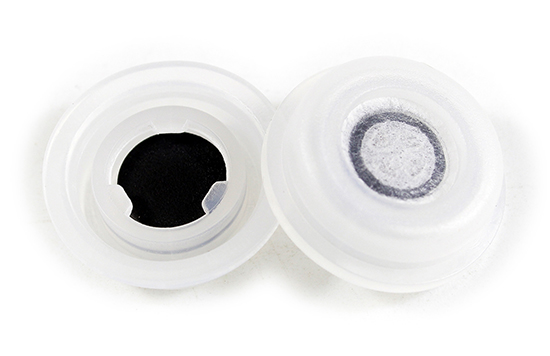
As global focus intensifies on sustainability and plastic reduction, biodegradable materials and mono-material designs have become mainstream trends in modern packaging. While traditional one-way valves are mostly made from durable plastics like PP, PE, and silicone, more eco-friendly alternatives are emerging in response to the demand for green packaging.
Current Market Trends
Exploration of Biodegradable Materials
- Some companies have begun developing valves using PLA (Polylactic Acid), which are compostable and suitable for biodegradable packaging solutions.
- Although PLA still faces limitations in cost and heat resistance compared to traditional plastics, it is increasingly used in environmentally focused product lines such as organic foods and natural coffee.
Mono-Material Valve Design
- Compared to multilayer composite materials, mono-material valves made entirely of PP or PE can be recycled together with the same packaging material, improving overall recyclability.
- While not biodegradable, these designs fully integrate into existing recycling streams and support a circular economy.
Enhance brand image:
Align with ESG and sustainability goals, strengthening eco-conscious messaging.Meet regulatory requirements:
Comply with increasingly strict material standards in the EU and North America.Increase consumer appeal:
More consumers are actively choosing packaging labeled “compostable” or “recyclable.”
Benefits for Brands and Businesses
- Higher cost of biodegradable materials, typically used in premium or branded products.
- Composting requires specific conditions (e.g., industrial composting facilities), and degradation in general waste streams is still limited.
- Valve performance and durability must match traditional materials, and are still under active development.
Current Challenges and Limitations
Conclusion: Moving Toward Sustainability with Practical Balance
While most current one-way valves still rely on traditional plastics, biodegradable options are actively being developed and welcomed by eco-conscious brands in coffee, organic food, and beyond.
Choosing a more sustainable valve design can help businesses meet regulations and build lasting brand value.
If you’re interested in adopting sustainable valve solutions, I can help identify commercially available eco-friendly options or assist in custom development with supply chain partners.
-
Product & Technology
How to Choose a One-Way Packaging Valve: Contents, Filters and Equipment
October 8, 2026
-

Usage & Installation
Packaging Still Swelling with a One-Way Valve? Venting and Leak Checks
October 8, 2026
-
Usage & Installation
How Durable Are Degassing Valves? Do They Affect the Packaging Lifespan?
April 1, 2025
-

Product & Technology
Do Degassing Valves Affect Seal Integrity?
April 1, 2025
-

Sustainability & Recyclability
Do One-Way Degassing Valves Align with the Trend of Biodegradable Materials?
April 1, 2025
-

Market Demand & Innovation
Global One-Way Degassing Valve Market Continues to Grow, Driven Strongly by Coffee Industry
March 31, 2025